

Description
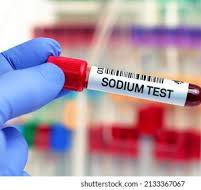
This test is crucial for: Monitoring electrolyte balance in patients with chronic conditions like kidney disease or diabetes. Diagnosing and managing electrolyte imbalances. Evaluating symptoms like muscle weakness, irregular heartbeats, or fatigue. You may have this test to diagnose or monitor kidney disease. The most common cause of a high blood potassium level is kidney disease. Potassium is important to heart function. Your provider may order this test if you have signs of high blood pressure or heart problems. The most common cause of true high potassium, also called hyperkalemia, is linked to the kidneys. Causes might include: Acute kidney injury. Chronic kidney disease.



Reviews
There are no reviews yet.